




Mirando al Rey
Una cosa he pedido al Señor, y esa buscaré: habitar en la casa del Señor todos los días de mi vida, para contemplar la hermosura del Señor y buscarle en su templo.”— Salmo 27:4 (AMP)
El mes bíblico de Tamuz ha comenzado.
Para muchos dentro del mundo judío, este mes marca el comienzo de una de las épocas más solemnes del año. Recuerda la adoración del becerro de oro en el Monte Sinaí, la ruptura de las murallas de Jerusalén, el comienzo de las tres semanas de duelo, y el doloroso camino que condujo a la destrucción de ambos Templos. Tamuz le recuerda a Israel el terrible precio de la idolatría, las concesiones y la ceguera espiritual.

Sin embargo, a lo largo de las Escrituras, Adonai jamás pide a su pueblo que recuerde el pasado simplemente para permanecer prisionero de él. Cada recuerdo en el Reino de Dios conlleva una invitación a la redención. Las fiestas, los ayunos, los banquetes e incluso los períodos de luto dan testimonio de una realidad inmutable: nuestro Dios restaura continuamente lo que el pecado ha destruido y cumple sus propósitos redentores a lo largo de la historia.
Incluso el nombre Tammuz, tomado de la deidad babilónica mencionada solo una vez en las Escrituras (Ezequiel 8:14), sirve como recordatorio de la fidelidad de Dios. En lugar de borrar el exilio de Israel de la memoria, el Señor permitió que los nombres babilónicos de los meses permanecieran, transformándolos en testimonios perdurables de su misericordia. Cada vez que se pronuncia el nombre Tammuz, nos recuerda silenciosamente que el exilio no tuvo la última palabra. El Dios que permitió que su pueblo fuera disciplinado también lo trajo de regreso a casa. Lo que el enemigo pretendía como una señal de derrota se convirtió en un monumento a la restauración divina.

Esa es la forma de actuar del Reino.
Dios rara vez borra por completo los recuerdos de nuestro pasado. Con mayor frecuencia, los redime. Las cicatrices permanecen, no para avergonzarnos, sino para dar testimonio de su sanación. Jacob cojeaba tras su lucha con Dios, pero su cojera se convirtió en parte de su testimonio. José llevó consigo el recuerdo de la traición a Egipto, pero Dios lo transformó en la salvación de las naciones. Tomás tocó las heridas del Mesías resucitado, y esas mismas cicatrices se convirtieron en evidencia innegable de la resurrección. A lo largo de las Escrituras, la redención no borra la historia, sino que transforma su significado.
Esto es precisamente lo que Tammuz nos enseña.
A primera vista, parece un mes marcado por el fracaso. Israel fabricó un becerro de oro mientras Moisés estaba en presencia de Dios. Las murallas de Jerusalén fueron derribadas porque el pueblo ignoró las advertencias de los profetas. Ezequiel presenció la idolatría generalizada incluso dentro del Templo. Por doquier, Tamuz parece estar ensombrecido por la debilidad humana.

Pero el cielo cuenta otra historia.
Durante ese mismo mes, Ezequiel contempló el Trono de Dios. Moisés intercedió por una nación rebelde y fue testigo de la misericordia del Señor. Los primeros creyentes, tras haber recibido el derramamiento del Espíritu Santo en Shavuot, llevaron el Evangelio con extraordinaria valentía por toda Jerusalén, a pesar de la creciente persecución. Donde el hombre veía derrota, Dios preparaba la redención. Donde la oscuridad parecía triunfar, el Cielo ya establecía la victoria.
Esto revela la gran invitación de Tammuz.
La verdadera batalla nunca ha sido simplemente entre la obediencia y la desobediencia.
Es una batalla por la visión.
Cada momento decisivo relacionado con este mes comenzó con aquello en lo que la gente decidió fijarse.
- Israel miró al becerro de oro en lugar del Dios invisible.
- Los diez espías miraron a los gigantes en lugar de la promesa de Dios.
- Los habitantes de Jerusalén miraron a las naciones vecinas en lugar de al Señor de los Ejércitos.
- Pedro miró al viento en lugar de a Yeshua y comenzó a hundirse.
- Sin embargo, Josué vio la herencia.
- Caleb vio la fidelidad de Dios.
- Ezequiel vio el Trono.
- Esteban vio cómo se abría el cielo mientras las piedras volaban hacia él.
- Juan vio al Cordero de pie en el centro de la historia mientras estaba exiliado en Patmos.
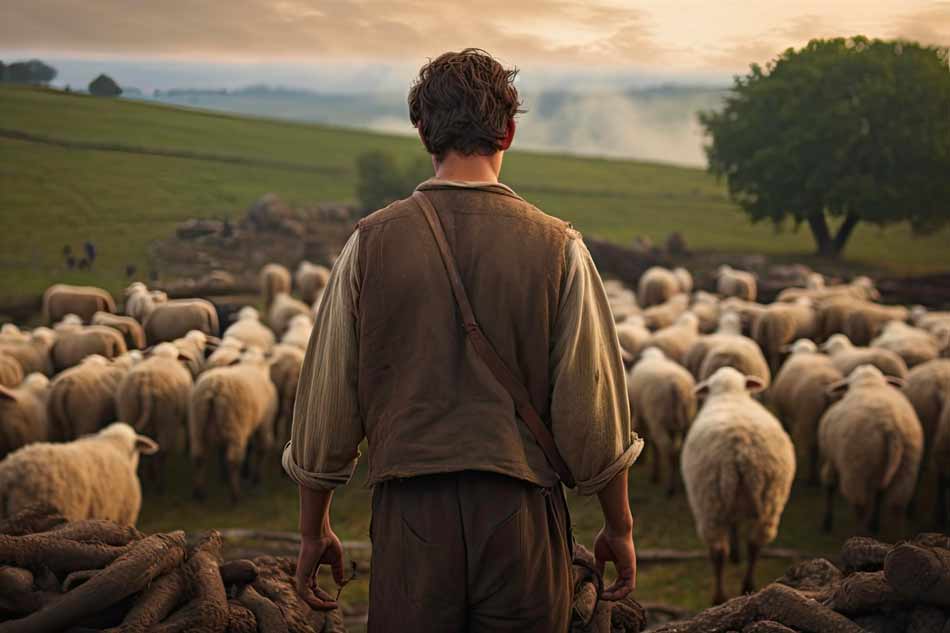
Las circunstancias que rodeaban a cada una de estas personas eran muy diferentes, pero el factor determinante siempre era el mismo: hacia dónde dirigían su mirada.
Quizás esa sea la pregunta que el Espíritu Santo nos hace a cada uno de nosotros al comenzar este nuevo mes bíblico.
- ¿Qué estás mirando?
- ¿El flujo interminable de titulares que prometen incertidumbre?
- ¿Los fracasos que aún te acusan?
- ¿Cuáles son los obstáculos que se interponen en tu camino?
- ¿Las voces del miedo que rodean a todas las naciones?
¿O acaso tus ojos están fijos en el Rey que permanece sentado en su trono, cuyos propósitos no pueden ser conmovidos y cuyo reino no tiene fin?
- Está eliminando las distracciones.
- Está desenmascarando la falsa forma de culto.
- Está descubriendo ídolos sutiles.
- Él está enseñando a su remanente a ver desde la perspectiva del Cielo en lugar de la de la Tierra.
Que este sea el mes en que nuestros ojos se eleven por encima de nuestros miedos, nuestra adoración sea más profunda que nuestras circunstancias y nuestra visión se transforme por la belleza de Aquel que se sienta en el trono.
La batalla por nuestra visión

Cada mes bíblico revela un campo de batalla.
Para Tammuz, ese campo de batalla no se encuentra primero en el desierto del Sinaí ni dentro de las murallas de Jerusalén.
Se encuentra en el corazón humano.
Mucho antes de que Israel creara un becerro de oro, algo mucho más peligroso ya se había gestado en su interior. Su confianza en los designios divinos comenzó a menguar.
Moisés había ascendido al monte Sinaí, a la mismísima presencia de Dios. La montaña temblaba con fuego, truenos, humo y gloria. El pueblo había presenciado milagros sin precedentes. Habían cruzado el mar Rojo a pie, en tierra seca. Habían visto desaparecer al ejército del faraón bajo las aguas. Habían comido pan del cielo y bebido agua de la roca.
Sin embargo, cuarenta días de espera lograron lo que cuatrocientos años de esclavitud no pudieron.
Reveló lo que aún permanecía en sus corazones.
El Éxodo nos dice que cuando el pueblo “Vieron que Moisés tardaba en bajar del monte”,” Se reunieron alrededor de Aaron y exigieron:, “Venid, hacednos dioses que vayan delante de nosotros” (Éxodo 32:1).

Observa la progresión.
- Vieron el retraso.
- Se centraron en lo que parecía ausente en lugar de en el Dios que permanecía presente.
- Su visión cambió.
Y una vez que su visión cambió, su adoración la siguió.
La idolatría rara vez es el primer pecado.
Suele ser el destino final de una visión desorientada.
El enemigo lo entiende perfectamente.
Rara vez comienza pidiendo al pueblo de Dios que niegue su fe. En cambio, poco a poco redirige su atención. Magnifica las demoras hasta convertirlas en decepciones. Agranda los obstáculos hasta que parecen insuperables. Susurra que Dios ha olvidado sus promesas, que su silencio significa su ausencia y que tomar las riendas de la situación es simplemente sabiduría.
- ¿Cuántos becerros de oro se han construido porque alguien se cansó de esperar?
- ¿Cuántos Ismaeles han nacido porque la promesa de Dios parecía tardar demasiado?
- ¿Cuántos Saúles habrán ofrecido sacrificios no autorizados porque no podían esperar ni una hora más a Samuel?
- ¿Cuántos discípulos perdieron la esperanza el viernes porque aún no podían ver el domingo por la mañana?

La estrategia del adversario nunca ha cambiado.
- Si no puede robarte la fe, intentará agotar tu paciencia.
- Si no logra convencerte de que Dios no existe, intentará convencerte de que Dios no va a venir.
- Si no puede destruir tu vocación, te tentará a que fabriques tu propia realización personal.
La adoración fingida casi siempre nace de una urgencia fingida.
El Reino de Dios, sin embargo, funciona de manera muy diferente.
A lo largo de las Escrituras, el Señor obra constantemente en tiempos de espera. Noé esperó mientras construía un arca que nadie creía necesaria. Abraham esperó décadas por Isaac. José esperó durante la esclavitud y el encarcelamiento antes de ascender a la corte del faraón. David esperó años entre su unción y su coronación. Los discípulos esperaron en el aposento alto hasta que el Espíritu Santo fue derramado en Shavuot.
- La espera nunca ha sido la manera en que Dios retrasa sus promesas.
- A menudo, la espera es su manera de preparar a su pueblo.
El desierto nunca tuvo como objetivo destruir a Israel.
Su propósito era enseñarles a ser dependientes.
Del mismo modo, la demora en el Sinaí nunca supuso un abandono.
Era una invitación a confiar en el Dios que aún no podían ver.
Esta sigue siendo una de las mayores lecciones de Tammuz.
- La fe no se demuestra cuando las respuestas de Dios llegan rápidamente.
- La fe se revela cuando el Cielo parece guardar silencio.
Cualquiera puede adorar cuando las oraciones son respondidas de inmediato.
Los verdaderos adoradores son descubiertos mientras la montaña aún parece tranquila.

El mismo Yeshua lo demostró a la perfección.
En la tumba de Lázaro, permaneció deliberadamente en el mismo lugar dos días más tras enterarse de que su amigo estaba enfermo. Para quienes lo rodeaban, la demora pareció indiferencia. Sin embargo, lo que parecía un silencio divino se convirtió en el escenario de una de las mayores revelaciones de su gloria.
La demora nunca se debió a la ausencia de Dios.
Fue el momento perfecto de Dios.
¿Cuántas veces hemos confundido una cosa con la otra?
Quizás algunos de los que leen esto llevan años rezando.
- Esperando la curación.
- Esperando la restauración.
- Esperando el regreso de los hijos e hijas pródigos.
- Esperando un avance.
- Esperando promesas hechas hace mucho tiempo.
Tammuz hace una pregunta amable pero incisiva:
Mientras esperas… ¿en qué tienes la mirada fija?
El mundo nos enseña a medir la fidelidad de Dios por la rapidez con que responde.

El Reino nos enseña a medir su fidelidad por su carácter inmutable.
- El Dios que separó las aguas del Mar Rojo no había cambiado porque Moisés permaneciera en la montaña.
- El Dios que le había prometido a Abraham no se había olvidado, a pesar de que habían pasado décadas.
- El Dios que resucitó a Yeshua de entre los muertos no ha dejado de reinar porque nos encontramos en épocas que aún no comprendemos.
- Él sigue sentado en el Trono.
- Él sigue trabajando aunque todavía no podamos percibirlo.
- Él sigue siendo fiel aunque todavía no podamos ver su cumplimiento.
Este mes, el Espíritu Santo invita a su pueblo a dejar de lado todo becerro de oro forjado con impaciencia.
- Dejar de interpretar las demoras de Dios como una negación por parte de Dios.
- Cambiar la ansiedad por la expectativa.
- Convertirnos en un pueblo cuya confianza no descanse en lo que podemos ver, sino en Aquel que ha prometido: “Nunca te dejaré ni te abandonaré”.”
Quienes mantengan su mirada fija en el Rey descubrirán que su momento siempre ha sido perfecto, incluso cuando sus caminos siguen siendo misteriosos.
Porque cuando contemplamos verdaderamente al Rey, todo lo demás se ve en su debido lugar.
Contemplando el trono sobre la tormenta
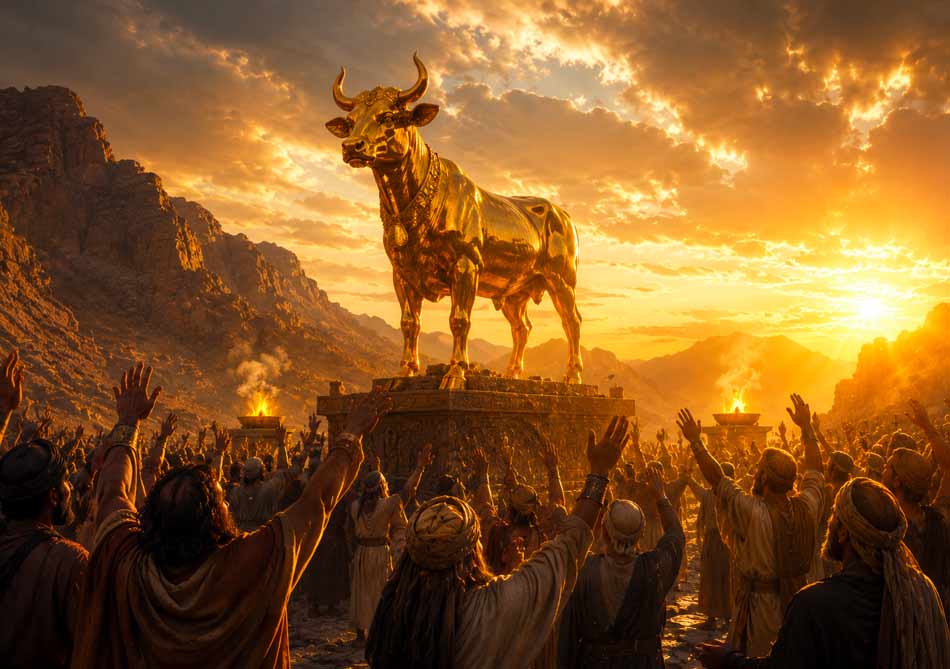
Si la historia del becerro de oro revela lo que sucede cuando el pueblo de Dios lo pierde de vista, la vida de Ezequiel revela lo que es posible cuando una persona se niega a apartar la mirada.
No es casualidad que algunas de las visiones más extraordinarias de todas las Escrituras se hayan dado durante el mes de Tamuz.
El pueblo de Israel atravesaba uno de los periodos más oscuros de su historia. Jerusalén se encontraba bajo la sombra del juicio. La idolatría se había infiltrado en el Templo. Las alianzas políticas habían reemplazado la confianza en Dios. Falsos profetas pronunciaban palabras de consuelo, pero se negaban a confrontar el pecado. Muchos creían que, dado que el Templo seguía en pie, Dios los protegería sin importar cómo vivieran.
Todo aquello en lo que confiaban estaba a punto de tambalearse.
Mientras toda una nación mantenía la mirada fija en la crisis, un sacerdote a orillas del río Chebar alzó la vista hacia el cielo.
“Y miré, y he aquí que un viento tempestuoso venía del norte…” (Ezequiel 1:4 AMP).

Al principio, Ezequiel vio lo que todos los demás podían ver.
- Una tormenta.
- Nubes oscuras.
- El fuego parpadea continuamente.
- Una nación que se encamina hacia la catástrofe.
Pero mientras seguía mirando, sucedió algo extraordinario.
Más allá de la tormenta, vio a las criaturas vivientes.
- Por encima de las criaturas vivientes, vio la inmensidad.
- Sobre la inmensidad del paisaje, divisó un trono de zafiro.
Y en el trono estaba sentado Aquel cuya apariencia irradiaba la gloria de Dios.
¡Qué lección tan profunda para todas las generaciones!.
- La tormenta fue real.
- Babilonia fue real.
- El juicio que se avecinaba era real.
Pero ninguna de esas realidades ocupaba el lugar más importante en la visión de Ezequiel.
- El Trono lo hizo.
- Esta es una de las mayores invitaciones de Tamuz.
- La cuestión no es si existen tormentas.
- Siempre lo han hecho.
- La cuestión es qué ocupa el lugar más importante en nuestra visión.

Hoy en día, muchas personas comienzan y terminan su día absortas en los titulares, la incertidumbre económica, la división política, las guerras, los desastres naturales, los cambios tecnológicos y un flujo constante de información. Si bien es prudente mantenerse al tanto de la actualidad, es peligroso permitir que las noticias se conviertan en nuestra principal fuente de información.
El pueblo de Dios nunca ha sido llamado a interpretar el Cielo a través del prisma de la historia.
Estamos llamados a interpretar la historia a través de la perspectiva del Cielo.
Ezequiel nos enseña que antes de poder comprender lo que sucede en la tierra, primero debemos ver quién reina en el cielo.
Nótese que Dios no le dio inmediatamente a Ezequiel un mensaje para el pueblo.
Primero le reveló quién era Él mismo.
- Antes de la comisión, tuvo lugar el encuentro.
- Antes de la advertencia vino la adoración.
- Antes de la profecía vino la presencia.
Ese orden divino nunca ha cambiado.
Con demasiada frecuencia buscamos las instrucciones de Dios antes de buscar su rostro.
Queremos respuestas antes de la intimidad.
Tareas antes de la adoración.
Estrategia antes de rendirse.
Sin embargo, a lo largo de las Escrituras, los más grandes siervos de Dios fueron primero abrumados por Su presencia antes de que se les confiaran Sus propósitos.

Isaías vio al Señor en lo alto y exaltado antes de clamar: “Aquí estoy, envíame”.”
Juan cayó como muerto ante el Mesías glorificado en Patmos antes de recibir la Revelación.
Pablo se encontró con Cristo resucitado en el camino a Damasco antes de convertirse en apóstol de las naciones.
Todo comienza con la contemplación del Rey.
David lo entendió cuando escribió:
“Una cosa he pedido al Señor, y esta buscaré… contemplar la hermosura del Señor…” (Salmo 27:4).
- No simplemente para servirle.
- No solo para entenderlo.
- Pero primero, contemplarlo a Él.
Los profetas hebreos sabían algo que nuestra generación apresurada a menudo olvida: la visión no se produce mediante el esfuerzo; nace de la permanencia.
Cuanto más claramente vemos a Dios, menores son nuestros miedos.
Cuanto más alto contemplamos Su trono, menos intimidantes nos parecen los reinos de este mundo.
Esto no significa que ignoremos la realidad.
Ezequiel desde luego no lo hizo.
Proclamó con fidelidad mensajes difíciles porque comprendía perfectamente lo que sucedía a su alrededor.
Pero se negó a permitir que la tierra definiera el cielo.
En cambio, permitió que el Cielo explicara la Tierra.

Esa es una visión profética.
El verdadero ministerio profético no consiste simplemente en predecir acontecimientos futuros.
- Se trata de ver la realidad presente desde la perspectiva de Dios.
- Es declarar Su corazón en medio de la historia.
- Se trata de permanecer firme en su carácter cuando todo lo demás parece inestable.
Creo que esto es lo que el Espíritu Santo está restaurando durante este mes de Tamuz.
Está formando una generación que se niega a dejarse dominar por el miedo.
- Una generación que valora la comunión secreta por encima del reconocimiento público.
- Una generación cuya confianza no emana de los sistemas políticos, los mercados financieros, la fuerza militar o la influencia cultural, sino de la inquebrantable realidad de que todavía hay un Trono en el Cielo, y que no está vacío.
Quizás hoy tus circunstancias se asemejen a la tormenta que Ezequiel vio por primera vez.
Las relaciones pueden verse afectadas.
Puede que las oraciones parezcan no ser respondidas.
Las naciones pueden parecer inestables.
Puede que las puertas se hayan cerrado.
El futuro puede parecer incierto.
Si es así, pídele al Espíritu Santo que haga por ti lo que hizo por Ezequiel.
Levanta la vista más arriba.
- Más allá de la tormenta está el Trono.
- Más allá de la incertidumbre está el Rey.
- Más allá de la conmoción está el Reino que no puede ser conmovido.
La tormenta puede ocupar el horizonte, pero jamás ocupará el Trono.
Y cuando el Trono llena nuestra visión, el miedo pierde silenciosamente su autoridad.
En este Tamuz, que podamos llegar a ser personas que vean como vio Ezequiel: no negando la realidad de la tormenta, sino negándonos a que se convierta en la realidad que defina nuestras vidas.
Quienes contemplan al Rey siempre encontrarán el valor para mantenerse fieles en medio de la tormenta.
Reuben: Cuando el fracaso no es el final

La tribu asociada con el mes de Tamuz es Rubén, el primogénito de Jacob.
Su propio nombre conlleva una notable invitación profética.
Re'u Ben.
“He aquí un hijo.”
Es como si el Espíritu Santo comenzara este mes pidiéndonos no solo que veamos las circunstancias de manera diferente, sino también que nos veamos a nosotros mismos de manera diferente.
Antes de que Rubén hiciera algo bien o mal, antes de que tuviera éxito o fracasara, antes de que ganara o perdiera el honor, fue identificado primero como hijo.
Ahí es donde Dios siempre comienza.
La identidad siempre precede al destino.
La filiación siempre precede a la administración.
La relación siempre está por encima de la responsabilidad.
Sin embargo, el enemigo siempre invierte ese orden.
Nos convence de que nuestra identidad está determinada por nuestro desempeño.
Si lo logramos, nos sentimos aceptados.
Si fracasamos, asumimos que hemos sido rechazados.
Rubén comprendía esa lucha mejor que la mayoría.
Jacob lo describió como:
“Mi primogénito, mi poderío y el principio de mi fuerza, preeminente en dignidad y preeminente en poder.” (Génesis 49:3 AMP)
¡Qué palabras tan extraordinarias!.
Rubén nació con una gran promesa.
- Nació con una gran responsabilidad.
- Nació cargando con una herencia.
Sin embargo, una decisión desastrosa cambió el rumbo de su vida.
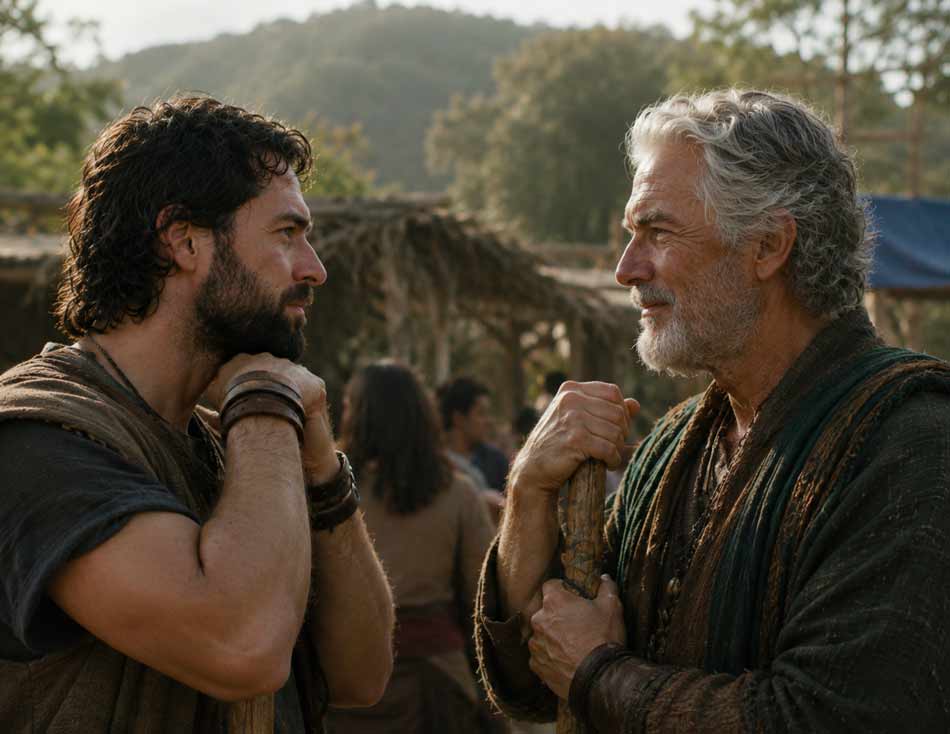
Al profanar el lecho de su padre, Rubén perdió los privilegios del primogénito (Génesis 35:22).
- Su herencia fue entregada a otro.
- Su lugar de honor desapareció.
Para mucha gente, este único fracaso se convirtió en el resumen de toda su vida.
Incluso hoy en día, cuando se menciona a Rubén, a menudo es este acontecimiento el que viene inmediatamente a la mente.
¿No es así precisamente como actúa el acusador?
- Reduce toda una vida a su peor momento.
- Nos convence de que nuestro mayor fracaso es nuestra verdadera identidad.
- Él quiere que creamos que lo que nos sucedió, o lo que hicimos, ha reescrito permanentemente el propósito de Dios para nuestras vidas.
Pero el cielo cuenta una historia diferente.
Mucho antes de que Rubén fracasara, Dios lo vio como un hijo.
Y mucho después de que Rubén fracasara, Dios seguía escribiendo su historia.
A menudo pasamos por alto lo que sucedió después de Génesis 35.
Cuando los hermanos de José tramaron asesinarlo, fue Rubén quien intervino.
“No le quitemos la vida…”, suplicó.
Su plan era rescatar a José y devolverlo a Jacob.
Más tarde, cuando José desapareció, fue Rubén quien, afligido, rasgó sus vestiduras.
Años después, cuando la vida de Benjamín corría peligro, Rubén volvió a intervenir, ofreciendo la vida de sus propios hijos como garantía de que Benjamín regresaría sano y salvo.
Estas no son las acciones de un hombre que hubiera abandonado a su familia.
Son las acciones de alguien que ha aprendido del fracaso.
Rubén no podía deshacer su pasado.
Pero se negó a que su pasado determinara el hombre en que se convertiría.

Eso es redención.
La redención no consiste en fingir que el fracaso nunca ocurrió.
La redención consiste en permitir que la misericordia de Dios transforme el fracaso en sabiduría.
Finalmente, antes de que Israel entrara en la Tierra Prometida, Moisés pronunció una bendición sencilla pero poderosa sobre Rubén:
“Que Rubén viva y no muera; y que sus hombres no sean muchos.” (Deuteronomio 33:6)
Qué gracia.
El hombre que tanto había perdido no fue olvidado.
- Su tribu seguiría recibiendo una herencia.
- Sus descendientes seguirían teniendo un lugar entre el pueblo de Dios.
- Su historia no terminaría en Génesis 35.
- El tuyo tampoco.
Quizás Tamuz sea difícil para algunos porque es un mes que recuerda el fracaso.
- Israel recuerda al becerro de oro.
- Jerusalén recuerda las murallas derribadas.
- El pueblo judío recuerda el exilio.
- Muchos creyentes recuerdan sus propias decepciones.
Oraciones que parecían no ser respondidas.
Relaciones que se rompieron.
Oportunidades perdidas.
Errores que desearían poder deshacer.
Pero la sangre de Yeshua habla por sí sola.

El enemigo recuerda nuestros pecados.
Dios recuerda su pacto.
- El enemigo nos recuerda quiénes éramos.
- El Padre nos recuerda a quién pertenecemos.
- El enemigo dice: “Mira lo que hiciste”.”
- El Padre dice: “He aquí un hijo”.”
- “He aquí una hija.”
- Este es el Evangelio.
Cuando Yeshua derramó su sangre, no solo perdonó nuestros pecados.
Él restauró nuestra filiación.
Ya no nos acercamos a Dios como siervos condenados que esperan ganarse su aceptación.
Nos acercamos a Él como hijos amados revestidos de la justicia del Mesías.
El autor de Hebreos declara:
“Porque perdonaré su maldad, y no me acordaré más de sus pecados.” (Hebreos 8:12)
¡Qué promesa tan asombrosa!.
El Dios omnisciente elige no tomar en cuenta nuestros pecados confesados.
Si el Cielo se niega a definirnos por nuestro pasado, ¿por qué deberíamos hacerlo nosotros?
Quizás por eso el nombre de Rubén es tan importante durante Tamuz.

Antes de que este mes nos invite a examinar nuestra visión, nos recuerda quiénes somos.
- No luchamos por la identidad.
- Luchamos desde la identidad.
- No buscamos la aprobación de Dios.
- Le buscamos porque ya hemos sido aceptados en su amado Hijo.
Cuanto más claramente vemos al Padre, más claramente comprendemos nuestra filiación.
Y cuanto más claramente comprendamos nuestra filiación, menos poder tendrá la vergüenza sobre nuestro futuro.
Este Tamuz, el Espíritu Santo está restaurando algo más que la visión espiritual.
- Está restaurando una identidad olvidada.
- Está silenciando la voz de la acusación.
- Él les recuerda a su pueblo que el fracaso nunca es el capítulo final de una vida entregada a Él.
- Porque el mismo Dios que pronunció palabra de vida sobre Rubén, ahora habla sobre todo creyente que pertenece al Mesías:
“He aquí a mi hijo.”
“He aquí a mi hija.”
Y esa identidad es más fuerte que cualquier fracaso que el enemigo pueda recordar.
Conclusión: Levanta la vista

Cada mes bíblico nos invita a adentrarnos en otra dimensión del corazón de Dios, pero Tamuz nos plantea una pregunta que no se puede ignorar:
¿En qué tienes la mirada fija?
A lo largo de este mes, las Escrituras nos presentan dos maneras completamente diferentes de ver las cosas.
Israel se encontraba al pie del monte Sinaí y fijó su mirada en un becerro de oro. Ezequiel estaba junto al río Quebar y alzó la vista hasta que vio el Trono. Diez espías observaron a los gigantes y vieron la derrota, mientras que Josué y Caleb contemplaron la misma tierra y vieron la promesa de Dios. Pedro caminó sobre las aguas con la mirada fija en Yeshúa, pero en el momento en que vio el viento y las olas, el temor venció su fe. Esteban miró más allá de las piedras que caían sobre él y vio al Hijo del Hombre de pie a la diestra del Padre.
Las circunstancias eran diferentes, pero el principio seguía siendo el mismo.
La visión determina la dirección.
Aquello que llene nuestra visión acabará dando forma a nuestra adoración, a nuestras decisiones, a nuestro carácter y, en última instancia, a nuestro destino.

Quizás por eso el enemigo trabaja tan incansablemente para captar nuestra atención. Vivimos en una época donde innumerables voces compiten por nuestro foco. Cada titular exige nuestra atención. Cada notificación reclama nuestra atención. Cada crisis nos dice que merece el primer lugar en nuestros pensamientos. Sin embargo, el Espíritu Santo continúa susurrando la misma invitación que ha extendido a lo largo de todas las generaciones:
“Alza la vista.”
- Elevadlos por encima del miedo.
- Elévalos por encima de la decepción.
- Elevarlos por encima de la incertidumbre.
- Elévalos por encima de los fracasos de ayer.
- Elévalos por encima de las ansiedades del mañana.
- Levántalas hasta que vuelvas a contemplar la belleza del Rey.
- Cuando Isaías vio al Señor, su temor se transformó en adoración.
Cuando Ezequiel vio el Trono, la confusión dio paso a la claridad.
Cuando Juan vio al Mesías resucitado, el exilio se convirtió en revelación.
Todo cambia cuando lo vemos correctamente.
Esto no se debe a que nuestras circunstancias desaparezcan de inmediato, sino a que Su presencia pone cada circunstancia en su justa perspectiva.
- La tormenta aún podría arreciar.
- Puede que los gigantes aún sigan en pie.
- La batalla aún podría continuar.
- Pero el trono sigue ocupado.
Nuestro Rey no ha renunciado a su autoridad.
- Él no ha olvidado su pacto.
- Él no ha abandonado a su pueblo.
- No ha perdido el control de la historia.
El Cordero que fue inmolado ahora reina, y cada promesa de Dios encuentra su “Sí” y “Amén” en Él.

Al comenzar este mes de Tamuz, rechacemos todo becerro de oro que compita por nuestro afecto. Rechacemos basar nuestra seguridad en lo pasajero. Protejamos nuestros corazones de la impaciencia, las concesiones, las distracciones y el miedo. Seamos vigías que oran antes de entrar en pánico, adoradores que veneran antes de actuar y discípulos que buscan el rostro de Dios antes de buscar respuestas en el mundo.
- Al igual que Rubén, neguémonos a permitir que los fracasos de ayer definan nuestra vocación de mañana.
- Como Ezequiel, elijamos el Trono por encima de la tormenta.
- Al igual que Josué y Caleb, elijamos la promesa en lugar del miedo.
- Al igual que la primera Ekklesia, proclamemos el Evangelio con valentía, sin importar la oposición.
- Al igual que Yeshua, mantengamos la mirada fija en el gozo que nos espera, soportando cada prueba con una confianza inquebrantable en la perfecta voluntad del Padre.
Quizás ahora más que nunca, el mundo no solo necesita personas con opiniones firmes.
Se necesitan personas con una visión clara.
Hombres y mujeres que han pasado tanto tiempo contemplando al Rey que comienzan a reflejar su carácter allá donde van.
Personas cuya paz no puede ser perturbada porque no depende de las circunstancias.
Personas cuya esperanza permanece viva porque está anclada más allá de este mundo.
Personas cuya devoción se ha convertido en su lucha y cuyo amor ha vencido al miedo.
- Esta es nuestra vocación.
- Esta es nuestra herencia.
- Esta es la invitación de Tammuz.

- Que este sea el mes en que tu visión se renueve, tu adoración se purifique, tu identidad se restaure y tu confianza se fortalezca.
- Que tus ojos vean más allá de lo temporal y contemplen lo eterno.
- Que tu corazón permanezca firme mientras el mundo a tu alrededor tiembla.
- Que vuestras oraciones se conviertan en hogueras que protejan a Israel y a las naciones.
- Que tu vida se convierta en un testimonio de que todavía hay un Rey en el Trono.
Y que las palabras de David se conviertan en tu declaración a lo largo de este mes:
“Una cosa he pedido al Señor, y esta buscaré: que pueda habitar en la casa del Señor todos los días de mi vida, para contemplar la hermosura del Señor y meditar en su templo.”
(Salmo 27:4, AMP)
- Al contemplarlo, te volverás más semejante a él.
- Al fijar tus ojos en Él, caminarás en Su paz.
- Al adorarlo, reflejarás su gloria.
Y a medida que lo sigas, descubrirás que Aquel que te llamó es fiel para cumplir todo lo que ha prometido.
- Que Adonai te bendiga y te guarde.
- Que Él alce su rostro hacia ti y te dé Shalom.
- Que este mes bíblico de Tamuz se convierta en una temporada en la que realmente aprendas a ver a través de los ojos del Rey.
Shalom.
Tammuz de un vistazo
Claves bíblicas para el cuarto mes

1. Tamuz es el cuarto mes del calendario bíblico de Dios.
Tamuz es el cuarto mes del calendario bíblico y marca el comienzo del verano, seguido de Av y Elul. En la tradición hebrea, el número cuatro suele representar una puerta o portal, recordándonos que cada mes bíblico es una invitación a profundizar en los propósitos de Dios. Tamuz nos desafía a elegir qué puerta cruzaremos: la de la fe y la adoración o la del miedo y la transigencia.
Pasaje bíblico clave: Números 10:10; Ezequiel 1:1
2. El tema central de Tammuz es la visión.
La batalla decisiva de este mes no es simplemente la idolatría, sino la visión.
A lo largo de las Escrituras, Tamuz hace repetidamente la misma pregunta:
¿En qué tienes la mirada fija?
Israel miró el becerro de oro.
Ezequiel miró al Trono.
Josué y Caleb contemplaron la promesa de Dios.
Pedro apartó la mirada de Yeshua y vio la tormenta.
La invitación de Tammuz consiste en ver cada circunstancia a través de los ojos del Rey.
Pasaje bíblico clave: Salmo 27:4; Salmo 119:18
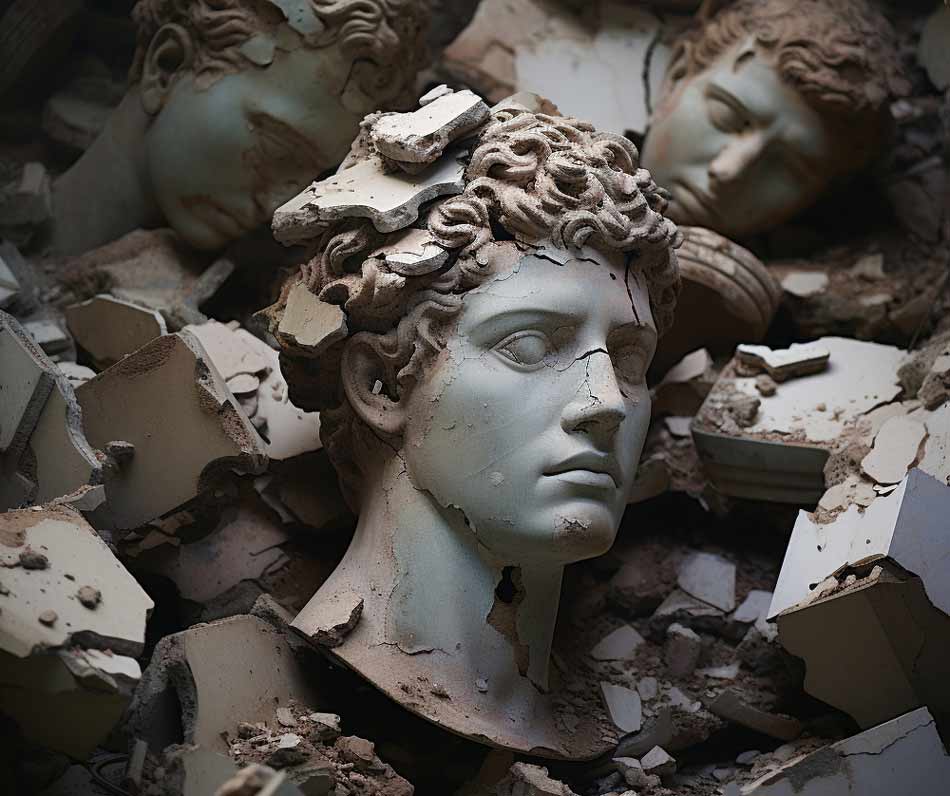
3. Tammuz advierte contra la idolatría y el culto falso.
Durante este mes, Israel adoró al becerro de oro mientras Moisés permanecía en el monte Sinaí (Éxodo 32). Posteriormente, el profeta Ezequiel presenció la adoración de la deidad pagana Tammuz en la misma Jerusalén (Ezequiel 8:14).
La idolatría siempre comienza por darle a otra cosa la atención, la confianza o el afecto que solo le pertenecen a Dios.
Los mayores ídolos de hoy en día suelen ser invisibles: el miedo, el éxito, el control, la riqueza, la reputación, la comodidad o la autosuficiencia.
Pasaje bíblico clave: Éxodo 32; Ezequiel 8
4. La tribu de Tammuz es Rubén
El nombre de Rubén significa “He aquí un hijo”.”
Aunque perdió los privilegios del primogénito por su pecado, Dios no lo abandonó. Moisés declaró más tarde: “Que Rubén viva y no muera” (Deuteronomio 33:6).
Rubén nos recuerda que el fracaso nunca es el final de la historia para quienes se arrepienten. Gracias a Yeshúa, nuestra identidad ya no se define por nuestro pasado, sino por nuestra adopción como hijos e hijas de Dios.
Pasajes bíblicos clave: Génesis 29:32; Génesis 49:3–4; Deuteronomio 33:6; Hebreos 8:12
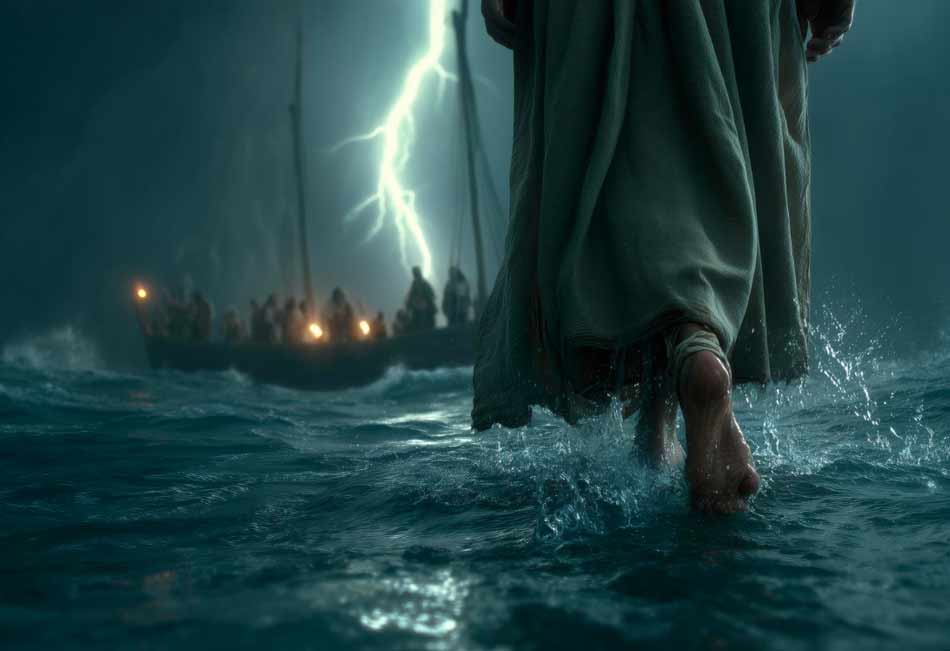
5. Ezequiel nos enseña cómo ver por encima de la tormenta.
Una de las visiones más grandiosas de la sala del trono que se encuentran en las Escrituras fue dada durante el cuarto mes.
Mientras otros veían el poder de Babilonia, Ezequiel veía la soberanía de Dios.
Nos enseña que la visión profética comienza por contemplar la gloria de Dios antes de intentar comprender los acontecimientos terrenales.
El Trono siempre está por encima de la tormenta.
Pasaje bíblico clave: Ezequiel 1–3
6. La letra de Tammuz es Chet (ח)
Chet es la octava letra del alfabeto hebreo y está asociada con la vida (Chai).
Tradicionalmente se entiende que se forma al unir Vav y Zayin, simbolizando el Cielo extendiéndose hacia la tierra y la humanidad respondiendo a Dios.
Su forma se asemeja a una puerta, recordándonos que Yeshua declaró:
“Yo soy la puerta.”
El número asociado a Chet es el ocho, que representa la resurrección, la renovación y los nuevos comienzos.
Pasajes bíblicos clave: Juan 10:9; Juan 11:25
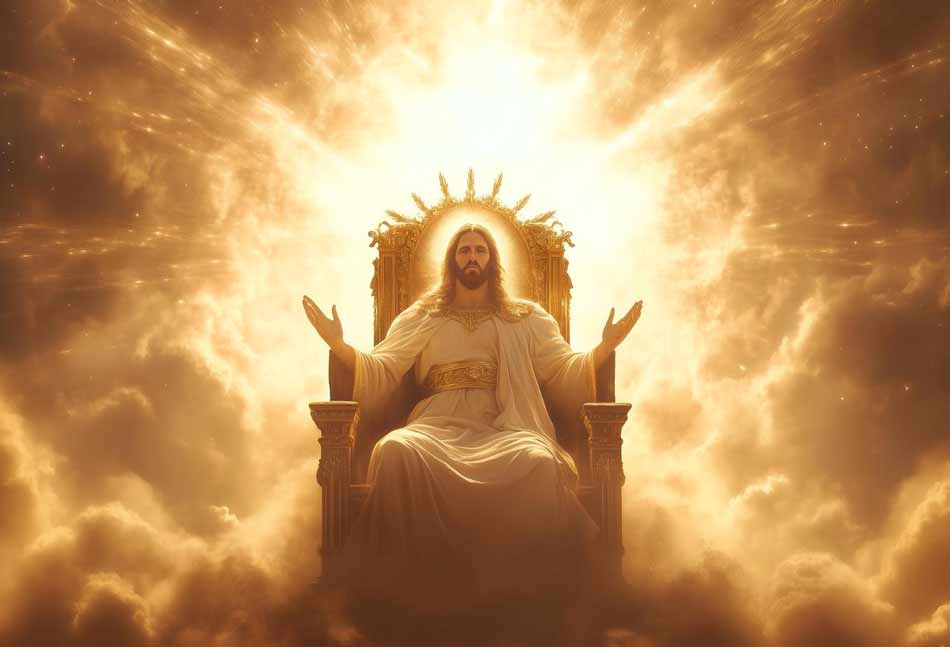
7. Tammuz nos llama a convertirnos en centinelas
Históricamente, el diecisiete de Tamuz marca el inicio de las Tres Semanas, en conmemoración de la brecha en las murallas de Jerusalén antes de la destrucción del Templo.
Para los creyentes, esta época del año se convierte en un recordatorio para permanecer como centinelas en oración, no solo por Israel, sino también por nuestras familias, ciudades y naciones.
Los vigilantes no reaccionan con miedo.
Responden con intercesión llena de fe.
Pasajes bíblicos clave: Ezequiel 3:17; Salmo 122:6
8. La sangre de Yeshua habla una palabra mejor
Si Tammuz recuerda las tablas rotas, los muros derruidos y un pacto roto, el Mesías revela la respuesta de Dios a cada problema.
La sangre de Yeshua restaura lo que el pecado destruyó.
- Limpia la conciencia.
- Elimina la condena.
- Restablece la filiación.
- Asegura una herencia eterna.
- Gracias a Él, nuestros mayores fracasos no tienen por qué convertirse en nuestra identidad definitiva.
Pasajes bíblicos clave: Hebreos 8:12; Hebreos 12:24; Efesios 1:7

9. La invitación de Tamuz
Este mes es una invitación a:
- Alza la vista por encima de la tormenta.
- Elimina todos los ídolos ocultos.
- Adorad en espíritu y en verdad.
- Mantente como un centinela para Israel y las naciones.
- Siembra la semilla del Reino.
- Caminad con confianza como hijos e hijas de Dios.
- Mantén tu mirada fija en Yeshua, el autor y consumador de nuestra fe.
Al contemplar al Rey, comenzarás a reflejar Su gloria.
“Por lo tanto, todos nosotros, como en un espejo, somos transformados de gloria en gloria en la misma imagen…”
— 2 Corintios 3:18 (AMP)
Una oración por Tammuz
Padre,
Al comenzar este mes bíblico de Tamuz, te pedimos que abras los ojos de nuestros corazones para verte con mayor claridad que nunca. Elimina todo ídolo que compita por nuestro afecto y toda distracción que nos aleje de tu presencia. Enséñanos a esperar en ti con confianza, a adorarte en espíritu y en verdad, y a ser fieles guardianes de Israel y de las naciones.
- Como Ezequiel, que podamos ver Tu Trono por encima de toda tormenta.
- Al igual que Josué y Caleb, que podamos ver Tus promesas por encima de todo obstáculo.
- Al igual que Rubén, que podamos recibir la seguridad de que nuestra identidad no se encuentra en nuestros fracasos, sino en Tu gracia redentora.

Que la sangre de Yeshua nos recuerde continuamente que hemos sido perdonados, restaurados y adoptados como tus amados hijos e hijas.
Fortalécenos para caminar con discernimiento, valentía, humildad y fe inquebrantable. Que nuestras vidas reflejen la belleza de nuestro Rey para que las naciones sepan que solo Tú eres Dios.
Que este Tamuz se convierta en un mes de visión renovada, adoración más profunda, oración constante y obediencia gozosa.
En el poderoso nombre de Yeshua Ha'Mashiach, Amén.

 Spanish
  English
  Portuguese
  Korean
  Chinese
  Indonesian
  Russian
  French