


Iyar: The Month Yahweh Heals What Was Broken
“I am Yahweh your healer.” — Exodus 15:26
There is a kind of healing that does not begin in the body. It begins in what has been left exposed.
Unprotected. Unfinished. Unrepaired.
This is the tension of Iyar. In the Biblical calendar, the very name of the month, Iyar (spelled Aleph-Yod-Resh), is seen as an acronym for “Ani Yahweh Rapha—“I am the Lord your Healer.”

Historically, this is the month between the deliverance of Passover and the revelation of Shavuot (Pentecost). It is not the miracle of the exit, nor the arrival at the mountain. It is the process in the wilderness where Yahweh reveals what is still broken, not to shame us, but to heal us. Healing is the bridge between our deliverance and our destiny.
The Diagnosis: When the Walls Are Down
Before there is healing, there is diagnosis.
Nehemiah did not begin with strategy or a construction crew. He began with a heartbreaking report.
“The wall of Jerusalem is broken down, and its gates are burned with fire.” (Nehemiah 1:3)
This was not just structural damage; it was a systemic failure. The Temple had already been rebuilt decades earlier under Ezra, meaning the people had their religion, but they had no refuge. In the ancient world, walls were not cosmetic, they were identity, protection, order, and the boundary lines of a nation’s culture.
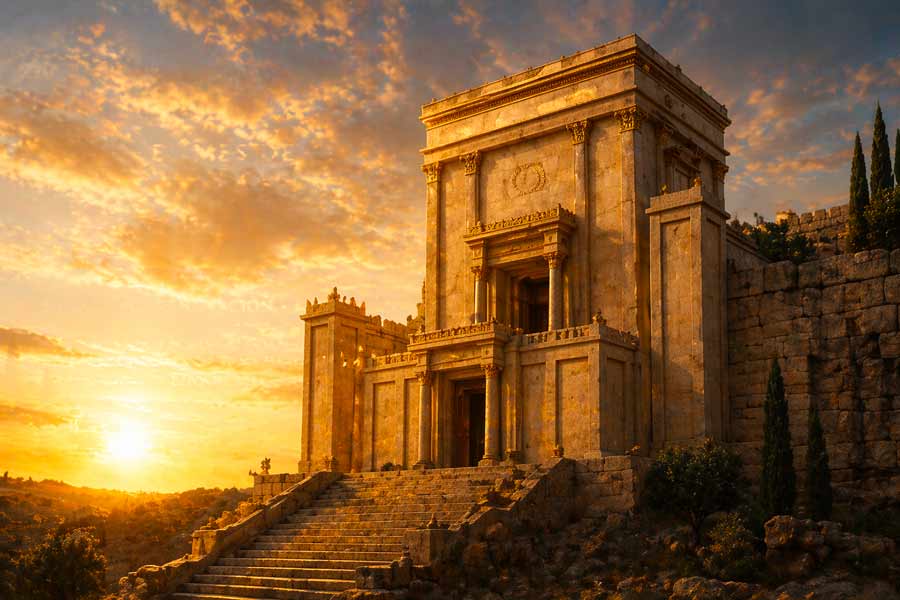
Without walls:
· The city had no defense: Enemies could walk in at will.
· The people had no stability: Economic and social life was constantly interrupted.
· The identity of the nation was compromised: The sacred mixed carelessly with the profane.
And this is where the Spirit is pressing today:
Where are your walls down?
Where have you learned to live exposed?
Because what remains broken long enough begins to feel normal. We learn to accommodate the ruins instead of rebuilding them.
The Sickness: Living Without Protection
A city without walls is vulnerable to anything. Intrusion. Confusion. Fragmentation.
The same pattern repeats today in our modern lives:
· Lives without boundaries, leading to burnout.
· Families without alignment, leading to relational decay.
· Communities without shared vision, leading to division.
They are not entirely destroyed, but they are deeply disordered. Nehemiah understood something critical: this was not just a construction issue. It was a spiritual condition.

The broken walls were a symptom of a deeper trauma, loss of order, loss of alignment, loss of spiritual covering. This is why Yahweh introduces Himself not only as Redeemer, but as Healer. Redemption brings you out of captivity, but healing restores the boundaries that captivity destroyed.
The Response: Rebuilding Under Pressure
Healing begins with a decision to no longer tolerate the rubble.
Nehemiah didn’t wait for perfect conditions. He moved while the threat was still present. And the moment rebuilding began, intense resistance followed. Sanballat and Tobiah mocked, threatened, and plotted.
· External opposition from surrounding powers.
· Internal discouragement and fatigue within the people.
· Fear and distraction at every level.
This is the universal pattern of restoration: Anything that is being rebuilt will be contested. The enemy does not mind if you have a temple (worship), as long as you do not have walls (boundaries and strength).
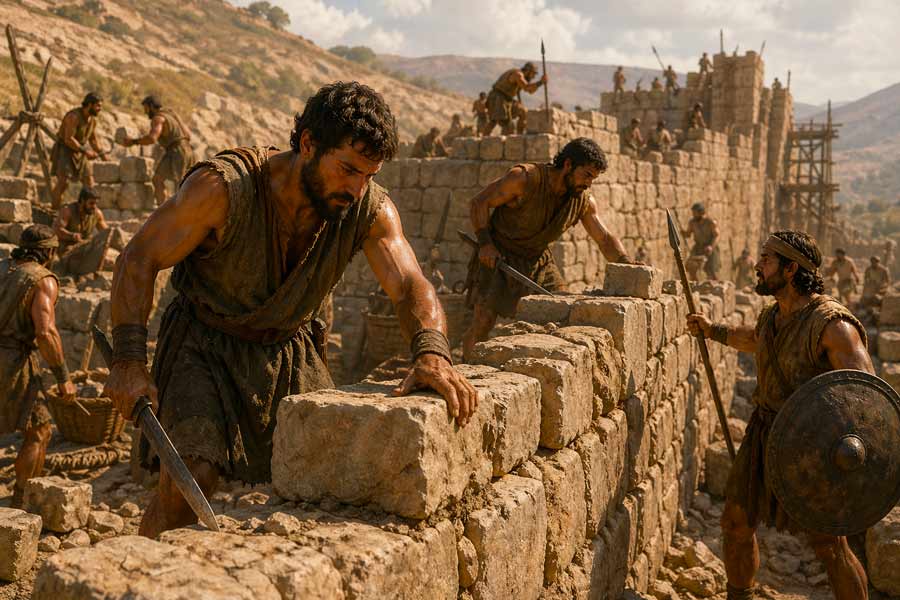
Yet the response of the people is what defines the outcome:
“Those who built the wall… worked with one hand and held a weapon in the other.” (Nehemiah 4:17)
They built and defended at the same time. They did not separate the spiritual (the weapon) from the practical (the trowel). They understood this was not passive healing; this was participatory restoration.
Furthermore, they used a brilliant strategy: Each family rebuilt their own section. They didn’t focus on the whole city. They just focused on the ruins directly in front of their own homes. This is how Yahweh heals: Not all at once, but faithfully, section by section, starting with what is right in front of you.
The Process: Healing Through Structure
The wall was miraculously completed in 52 days. Not because conditions were ideal, but because alignment was established.
This is the hidden principle of Iyar: Healing is not only supernatural, it is structural.
Before Nehemiah, the people had worship, but they had no structure to sustain it. Yahweh restores in a vital sequence:
1. Identity and Worship (The Temple)
2. Structure and Boundaries (The Walls)

Spiritual fire without structure quickly burns out or becomes chaotic. Structure without Spirit becomes empty legalism. True, lasting healing requires both the presence of God and the practical boundaries to steward that presence.
The Result: A Reformed People
When the wall was finished, something unexpected happened. The story didn’t end in a mere construction celebration. It moved into a massive spiritual reformation.
· The people gathered in the square.
· The Word was read by Ezra.
· Deep conviction came over the nation.
· Covenants were renewed and alignment was restored.

Because the goal was never just a wall. The wall was simply the container. The goal was a reformed people who were strong enough, safe enough, and aligned enough to carry the presence of God into the next generation.
The Pattern for Today: Healing Begins With You
Iyar is not just a historical reflection; it is a present invitation. Yahweh is still asking:
· What have you tolerated that should have been rebuilt?
· Where have you waited for perfect conditions to start healing?
· What is your section of the wall?

His strategy of restoration has not changed. It is progressive and sequential:
1. You: Healing your internal boundaries and mind.
2. Your Family: Restoring your immediate household.
3. Your Community: Bringing strength to your local body.
4. Your Ethnos: Impacting your culture and sphere of influence.
But it begins with you. Not when everything is ready. Not when the opposition stops. Now.
The Invitation of Iyar
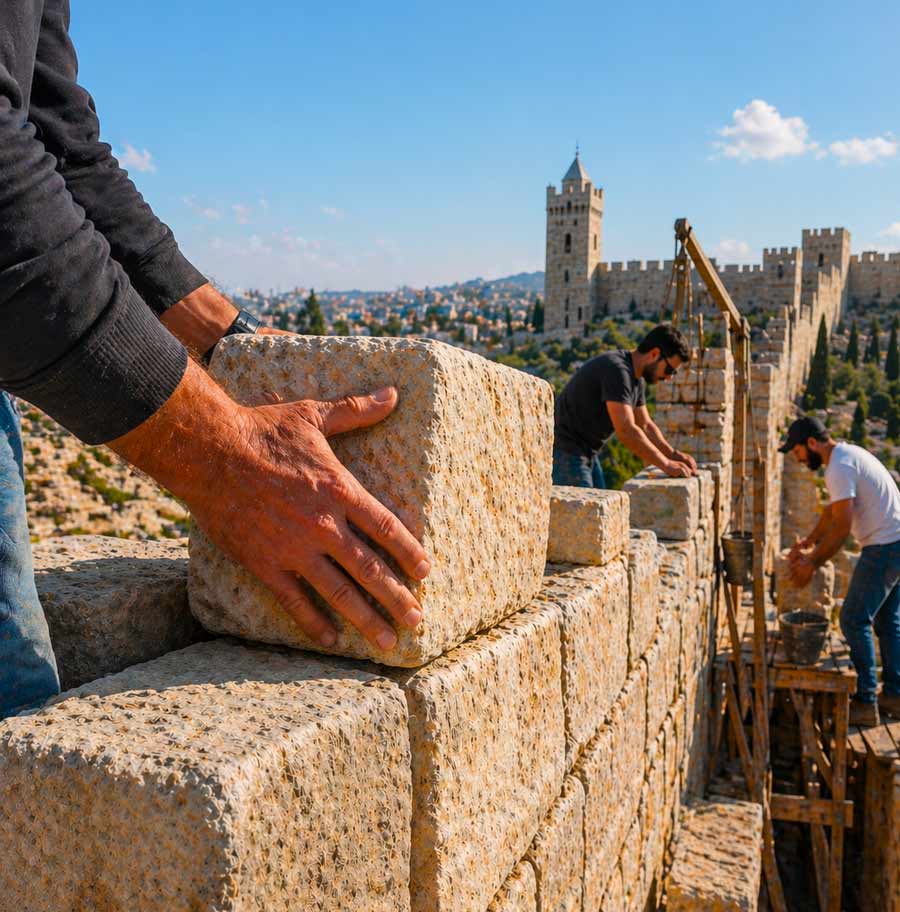
Iyar is not about the spectacle of a sudden miracle. It is about consistency. Discipline. Faithful rebuilding.
Day after day, like the counting of the Omer (which happens entirely within this month).
Stone after stone, like the rebuilding of the wall of Jerusalem.
And in that daily, gritty, faithful process, something profound happens: Healing is released. It is not always instant. It is not always dramatic. But it is real. It is sustainable. It is complete.
Final Word (Invitation / Response)
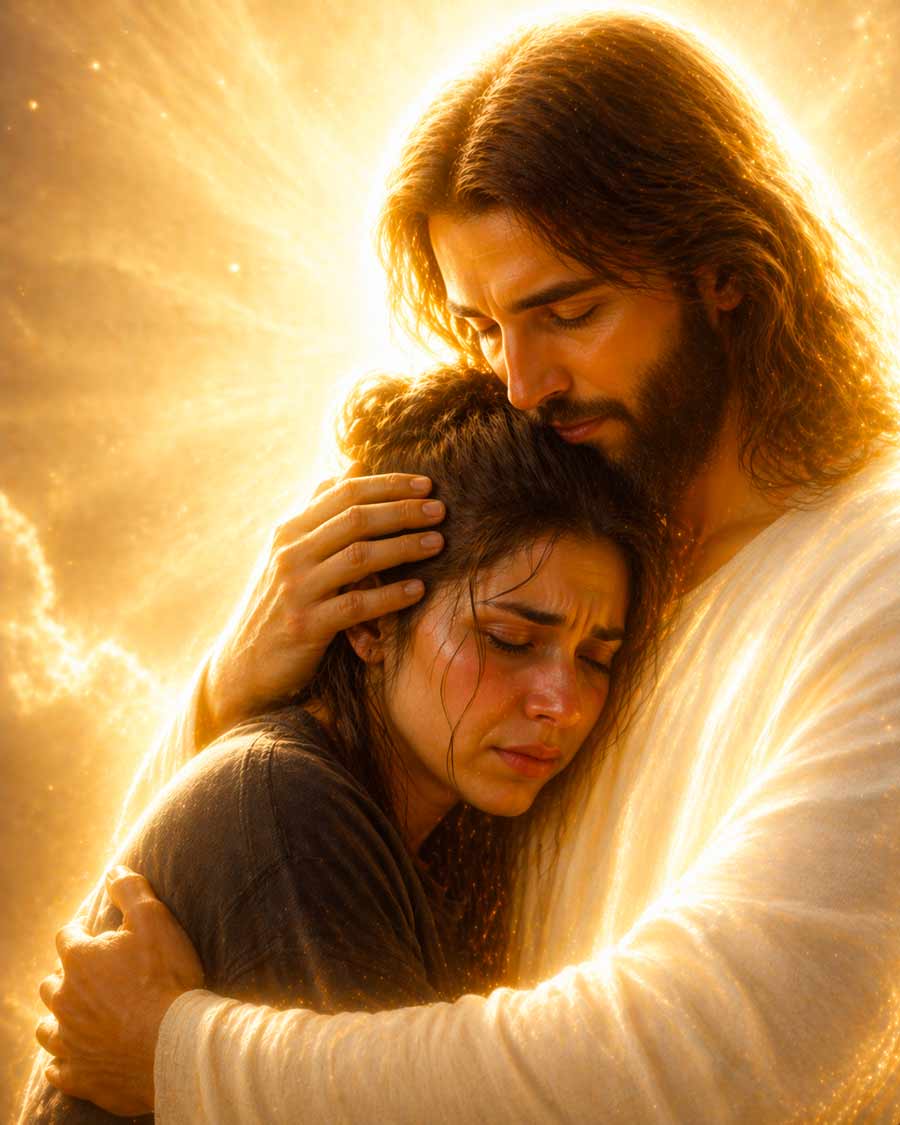
Yahweh does not ignore what is broken. He reveals it so He can restore it.
“I am Yahweh your healer.”
He is the healer not only of physical bodies, but of broken systems, fractured families, ruined cities, and divided nations. In this season, He is not asking you to sit by the rubble and watch.
He is asking you to pick up a trowel and build. Because the exact moment you begin to rebuild what was broken, healing has already started.

 English
  Spanish
  Portuguese
  Korean
  Chinese
  Indonesian
  Russian
  French